A town's story, shaped by its tea fields.
From the beginnings 800 years ago, to the work of the tea farmers, the shelves of the farm shop, the cafe kitchen — and on to you. We have arranged text from the pages of this site in the order of a single story. At the end of each chapter, we show the page it comes from.
Chapter 1
The beginnings, 800 years ago
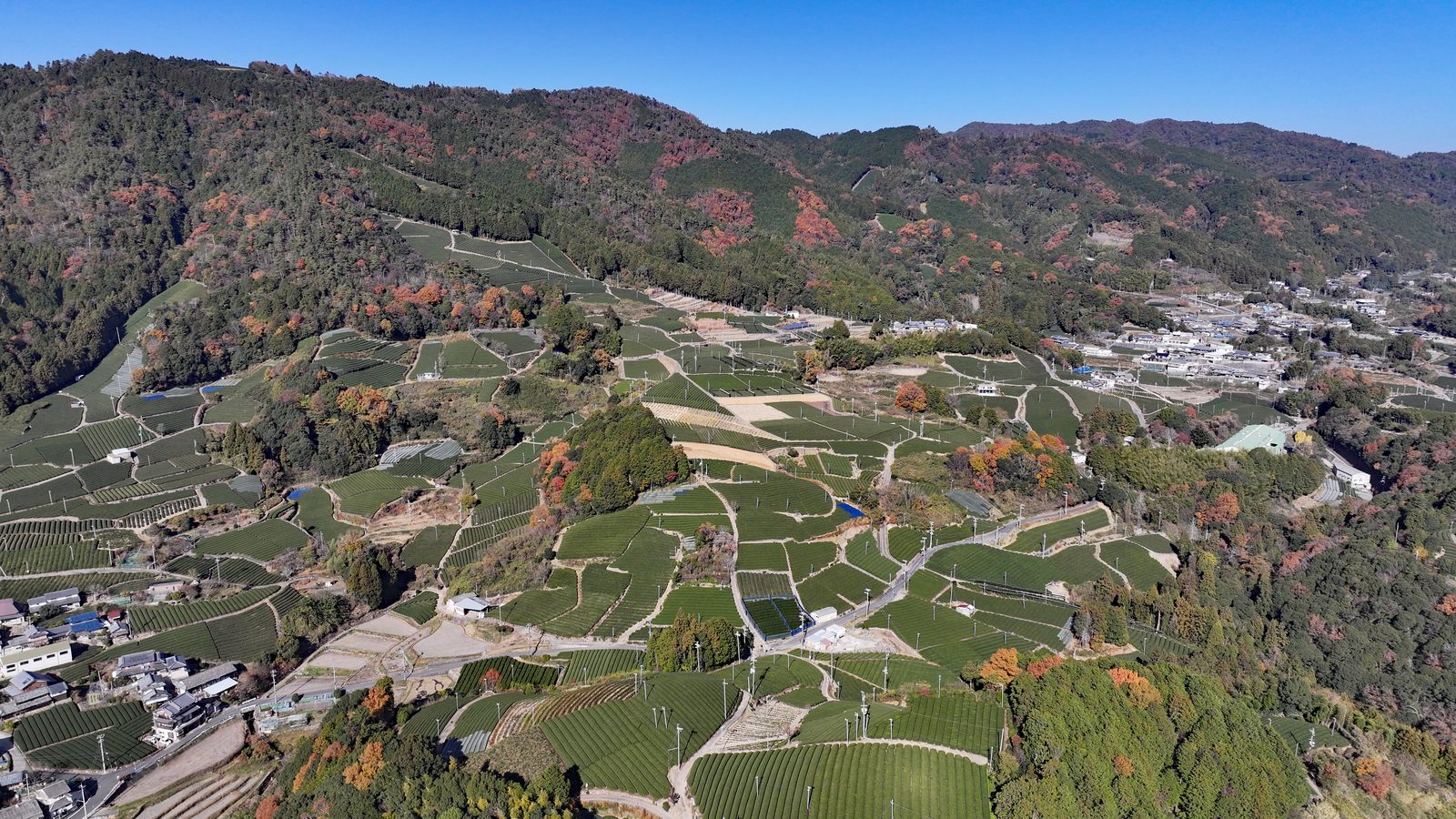
The story traces a journey of about 800 years in which the land of southern Yamashiro, in Kyoto, kept refining the tea-growing techniques that came from China, and gave rise to all three of the teas that represent Japanese tea: “matcha,” “sencha” and “gyokuro.”
The 800-year story of tea reaches the plate, too. The Japan Heritage story also says that Yamashiro tea leaves are enjoyed as “old-fashioned tea dango” and as Western-style sweets. Cha-tarashi Dango (680 yen) is grilled tea dango drizzled with matcha sauce.
Source: taken from the text of “Japan Heritage: A Historical Walk through 800 Years of Japanese Tea” on this site.
Chapter 2
Tea fields, and the work of tea farmers
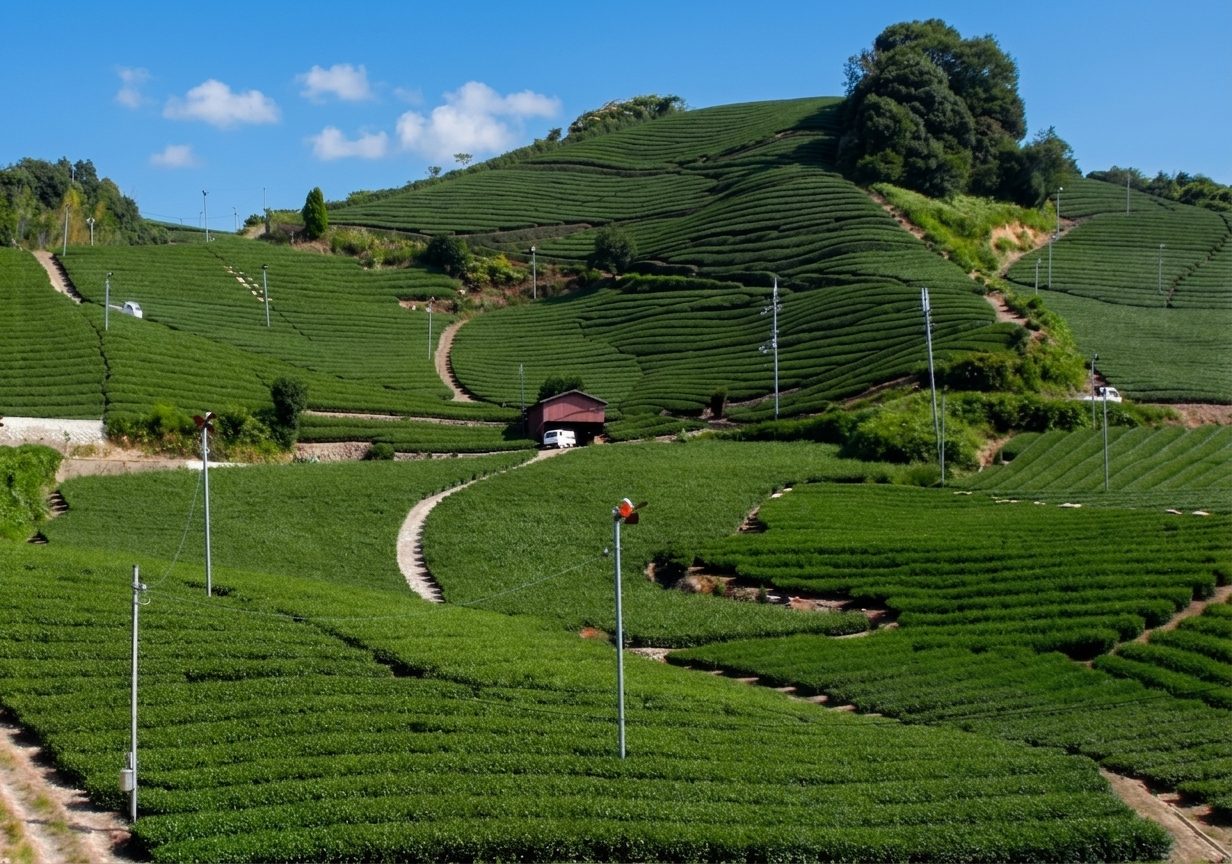
Wazuka is a hill town in Soraku District, in the south of Kyoto Prefecture. The prefecture describes it as an area whose tea fields reach right up to the ridgelines and show a different beauty in every season — “a place that could be called the original landscape of Japanese tea.” In Kyoto Prefecture’s tea statistics (its report on the production and distribution of Kyoto-grown tea), Wazuka ranked first in the prefecture for crude-tea output by municipality every year for the seven years from FY2019 to FY2025, and it is known as “a main production area of Uji tea.” According to the same prefectural page, Wazuka’s tea reaches the whole of Japan as high-quality Uji tea, thanks to the cultivation skills of tea masters (chashi) and the blending skills of tea merchants (under the definition of the Kyoto Prefectural Tea Council, “Uji tea” is tea grown in the four prefectures of Kyoto, Nara, Shiga and Mie and finished within Kyoto Prefecture by Kyoto-based businesses). Right here in this tea-growing area, the farm shop at Wazuka no Sato lets you pick up for yourself tea that has passed through growers’ hands.
Source: taken from the text of “Kyoto Prefecture’s Largest Tea-Growing Area” on this site.
Chapter 3
Where the town’s people hand on the town’s bounty
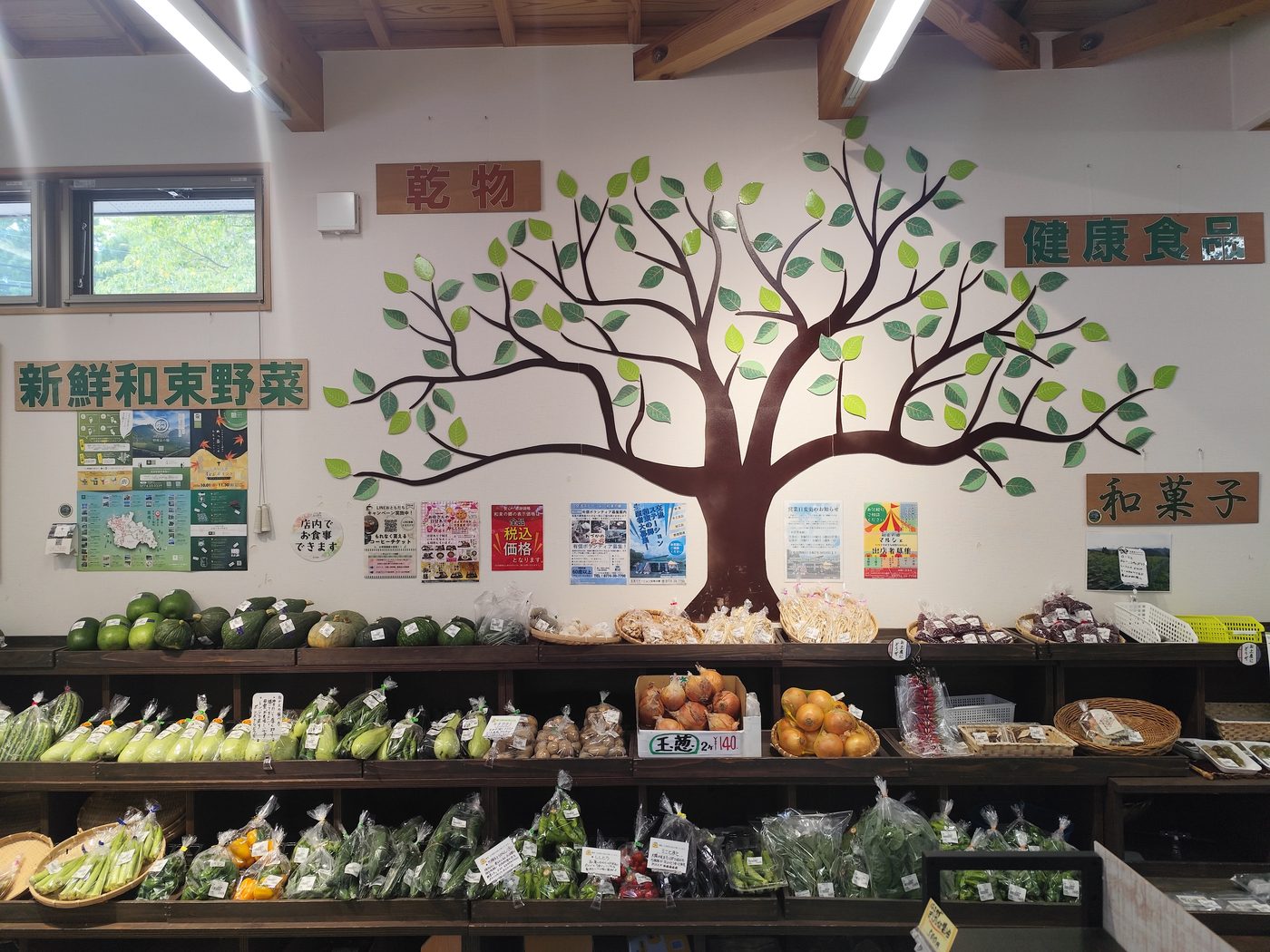
Wazuka no Sato Station is a farm shop and cafe run by the people of Wazuka (operated by the Wazuka no Sato Council). The shelves centre on vegetables grown in this town and Wazuka tea, alongside produce from neighbouring areas and everyday essentials.
At the adjoining wazukanoSATO Cafe, we serve home-made meals cooked by the mothers of Wazuka. Nothing fancy — just the warmth of home cooking you’ll want to eat every day. That is what we are proud of.
Come and take a breath at the foot of the tea fields, whether you’re passing through on a journey or going about your everyday life here. This is the “exchange station” that connects Wazuka with people, and people with one another. The neighbouring Ikujigaoka Park (about 2 minutes on foot, mostly level) has a well-kept lawn. Families with small children can let them play before or after the cafe.
Source: taken from the text of “Home page: About Wazuka no Sato” on this site.
Chapter 4
Home-made meals by the mothers of Wazuka
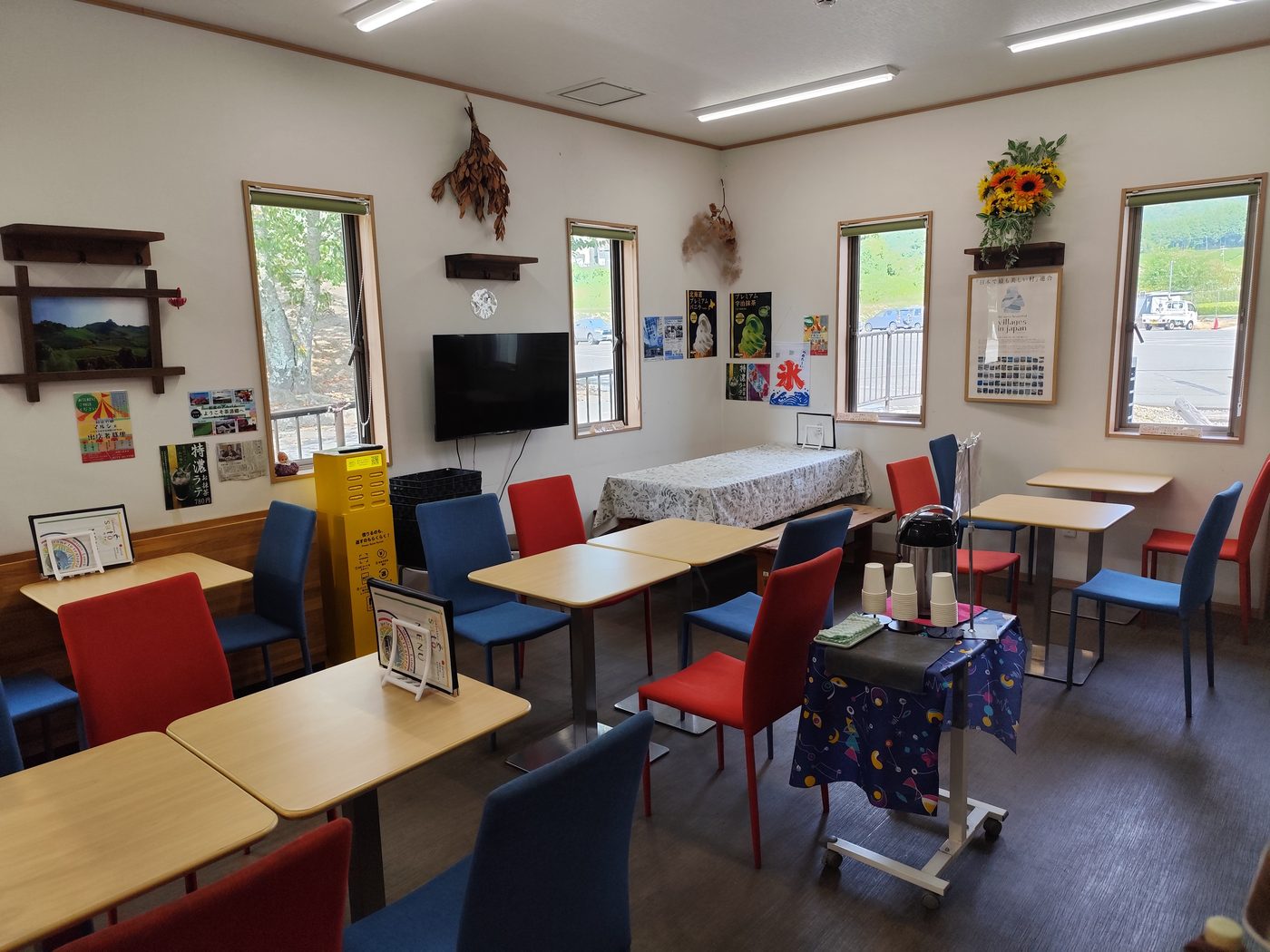
There are 14 seats indoors, plus 16 outdoor terrace seats (under the eaves and in the open air) on fine days. Complimentary tea is available for you to enjoy freely. We cook mainly with local produce: Wazuka-grown rice and vegetables, and Wazuka tea. Taste what you just bought at the farm shop, right there — that’s the joy of this cafe.
Daily lunch, tamago-kake-gohan and set trays. Tap any of them to see a sample of the menu. Weekend and holiday lunches and set trays are prepared in limited numbers, so we recommend booking by the day before.
The menu changes daily — what’s served is part of the fun. Limited servings, until sold out. Reservations (for up to 20 people) and take-away are also available.
Source: taken from the text of “Eat CAFE” on this site.
Chapter 5
You can join this story too

Wazuka no Sato Station is always looking for products to sell. Whether you live in Wazuka or elsewhere, farmers, producers and makers are all welcome to take part. Vegetables, fruit and other produce, Wazuka tea, home-made goods such as pickles and jam, and handicrafts like pottery and textiles — any genre is welcome. Producers set their own prices.
As a farm shop with a human face behind every product, we welcome many customers and visitors. Why not bring what you’ve grown or made straight to the people who visit Chagenkyo? If you live further away, please just ask.
Source: taken from the text of “Join (producers wanted)” on this site.
The story continues at Wazuka no Sato
We look forward to welcoming you.